 Skip to content

A 2024 unboxing survey found that 56% of consumers say branded packaging encourages repeat purchases. Packaging basics matter because every box, bottle, insert, and mailer can shape product value long after checkout. Weak packaging can cause damage, waste, and a forgettable first impression.
Packaging is a system that contains, protects, presents, and moves products from production through delivery. It supports product safety, clear product details, efficient fulfillment, and a better customer experience. MyBoxExpert helps brands plan custom packaging that combines premium presentation with practical protection.
The sections below explain packaging levels, materials, testing, and bulk order planning. Start with the full role packaging plays in your business.
What are packaging basics and why do they matter?
Packaging basics are the practical rules for protecting, presenting, and moving a product safely. Good packaging balances product safety, brand appearance, customer ease, sustainability goals, and total cost. It works across retail shelves, e-commerce orders, warehouses, and freight routes. A package should perform a clear job at every point in that path.
What is packaging?
Packaging is every material and component used to contain, protect, identify, present, store, and transport a product. It includes containers, labels, inserts, retail cartons, shipping boxes, mailers, pallets, and stretch wrap. Packaging basics treat these parts as one connected system, not simply as a box around an item.
How does packaging affect your business?
Packaging basics affect damage rates, returns, replacement costs, reviews, and customer loyalty. A clear, well-made package can improve shelf appeal and make an online order feel more considered. For direct-to-consumer brands, custom packaging is often the first physical brand touchpoint after a customer clicks Buy.
What are the three levels of packaging?

The three levels of packaging work together to protect products from the factory floor to final delivery. Primary packaging holds the item, secondary packaging groups and protects it, and tertiary packaging moves larger loads. Planning each level together avoids gaps that can hurt retail presentation or freight safety. Packaging basics become far easier when each layer has a defined role.
Primary packaging, the product-facing layer
Primary packaging directly contains or immediately surrounds the product. Bottles, jars, tubes, pouches, wrappers, tins, and product cartons all fit this level. It must hold the item, prevent leaks, preserve freshness, show product information, and make use simple. Food, cosmetics, and liquids may also need barriers against air, moisture, light, or contamination.
Secondary packaging, the protective and presentation layer
Secondary packaging groups, protects, or presents primary-packaged products. Corrugated shipping boxes, mailer boxes, retail multipacks, cartons, and inserts are common examples. This layer supports warehouse handling, store displays, and direct-to-consumer delivery. A mailer can protect an order in transit while also creating a branded unboxing moment.
Tertiary packaging, the distribution layer

Tertiary packaging moves grouped products safely through warehouses and freight networks. Pallets, stretch wrap, strapping, bulk bins, corner boards, and shipping containers belong here. This layer needs stable stacking, efficient storage, and safe forklift handling. A weak pallet load can damage even a beautifully designed retail carton.
Which packaging materials and formats fit your product?
The right packaging materials and formats depend on product risk, sales channel, budget, and brand position. Material selection should meet protection needs before it serves visual goals. Packaging basics also call for right-sized dimensions, since excess space can add filler, waste warehouse room, and raise dimensional shipping charges. Review the product’s weight, shape, fragility, shelf life, and exposure to moisture or impact before choosing a format.
| Format | Best fit | Main trade-off |
|---|---|---|
| Folding carton | Retail goods and cosmetics | Less shipping strength |
| Corrugated box | E-commerce and freight | Larger visual footprint |
| Rigid box | Luxury products and gifts | Higher cost and storage use |
Folding cartons, corrugated boxes, and rigid boxes
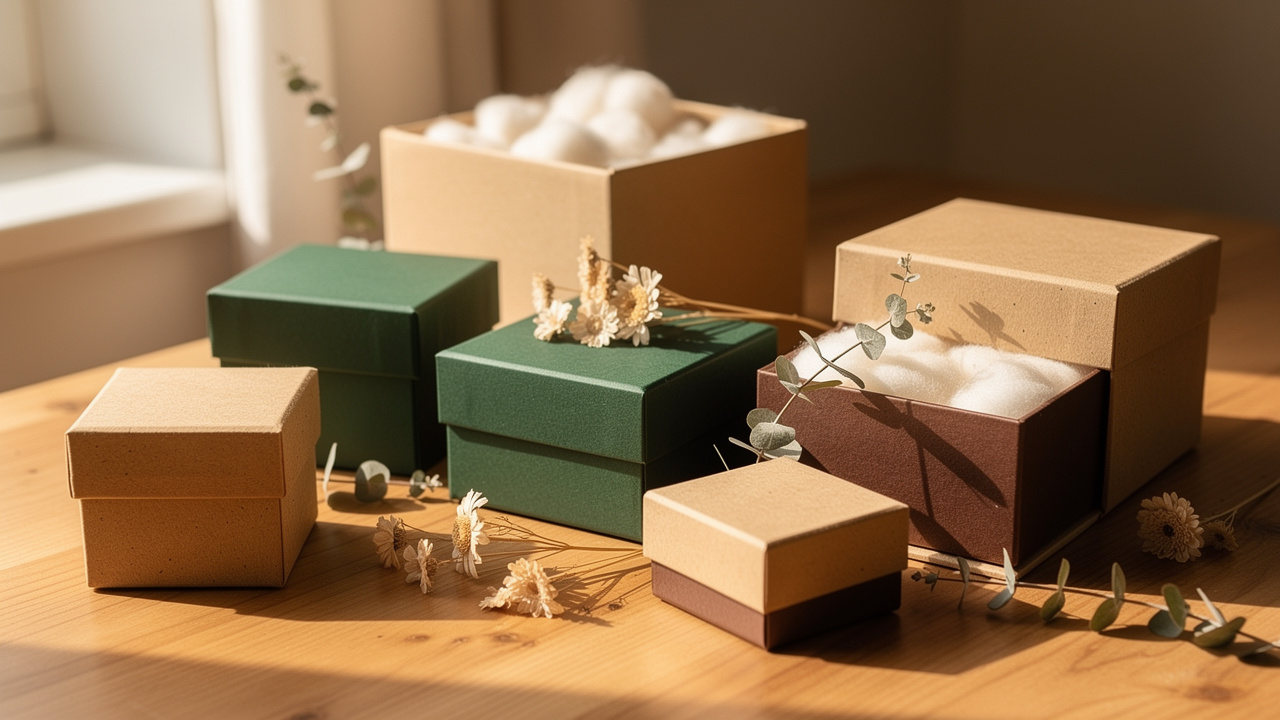
Folding cartons are lightweight paperboard boxes with broad print space. Cosmetics, food, personal care, and retail products use them because they ship flat and work well with printed graphics. They can also use matte coatings, foil details, embossing, or die-cut windows.
Corrugated boxes use fluted board between liner sheets for cushioning and strength. They suit shipping, footwear, electronics, subscription boxes, and e-commerce orders. Rigid boxes use thicker board for luxury goods, jewelry, cosmetics, gifts, and electronics.
Rigid structures may include magnetic closures, ribbon pulls, drawers, and custom inserts. They create a high-end feel, but use more space and usually cost more than folding cartons. Choose them when presentation and durability justify that added investment.
Flexible packaging, bags, tins, and protective inserts
Flexible packaging includes pouches, bags, wraps, mailers, and sachets. These formats fit snacks, coffee, refills, personal care goods, and lightweight e-commerce items. Resealable closures, tear notches, and barrier layers can preserve the product and make daily use easier.
Paper shopping bags and reusable bags can extend visibility after purchase. Tins add durability and may remain useful after the original product is gone. Both formats should match the product weight and the brand’s expected price point.
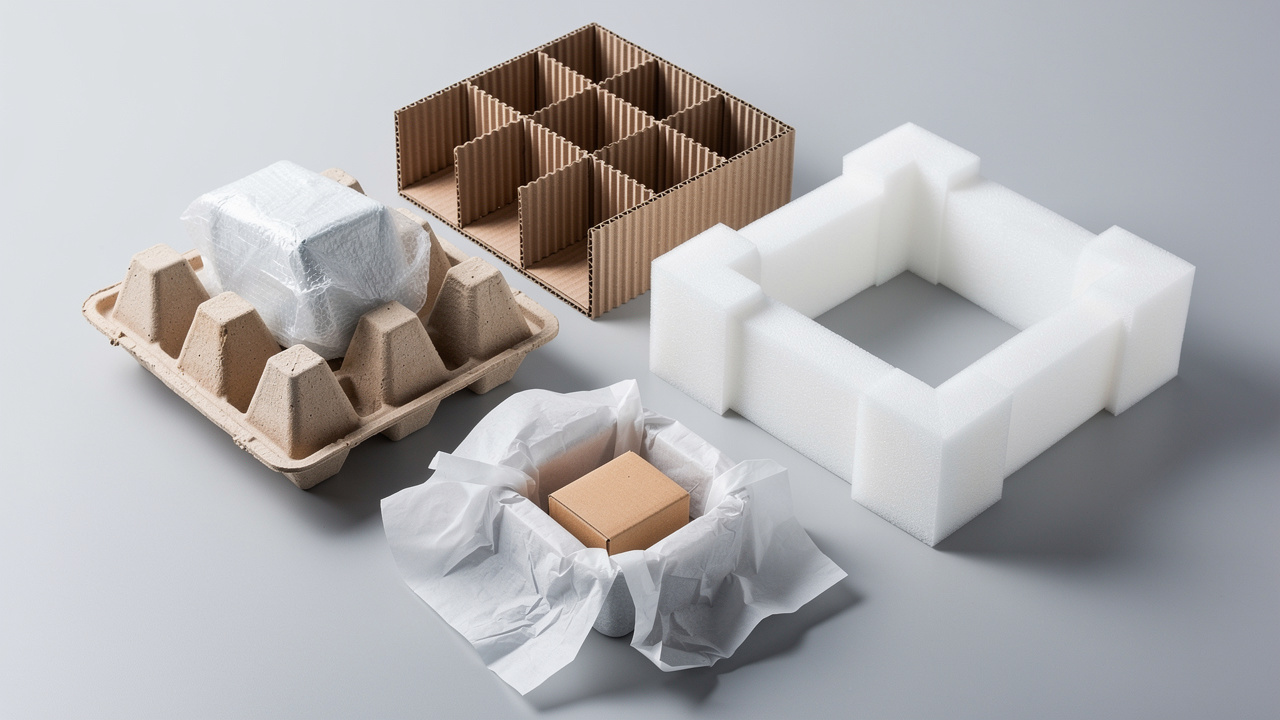
Protective inserts stop items from shifting inside a carton. Tissue, molded pulp, paperboard dividers, corrugated partitions, and die-cut holders can reduce breakage. The best insert holds the product firmly while using only the material needed.
Choose materials by product risk and sales channel
Choose materials by product risk and sales channel, not appearance alone. Retail packaging needs shelf visibility, readable labeling, and clear product details. E-commerce packaging needs efficient dimensions and protection from courier handling. Packaging basics favor a close fit that limits movement, excess filler, and avoidable freight charges.
How do you design, test, and scale packaging successfully?
Successful packaging design starts with product facts and ends with proven production standards. Packaging basics call for a clear brief, a physical sample, accurate artwork, and realistic shipping tests. This process helps brands avoid costly print errors, poor fit, damaged goods, and excess inventory. It also gives supply chain teams a more dependable plan for reorders.
Build the packaging brief before designing artwork
Build the packaging brief before artwork so visuals follow real product needs, since a systematic review of the multidimensional impact of packaging design on purchase intention shows that design choices only succeed when grounded in clear product and consumer information. Record dimensions, weight, fragility, storage conditions, target buyer, sales channel, and fulfillment method. Collect approved logos, colors, fonts, copy, barcodes, instructions, and legal details. Reserve open space for batch codes, lot numbers, or expiration dates, then place the brand, product type, and key benefit where customers see them first.
Test prototypes and prepare for production
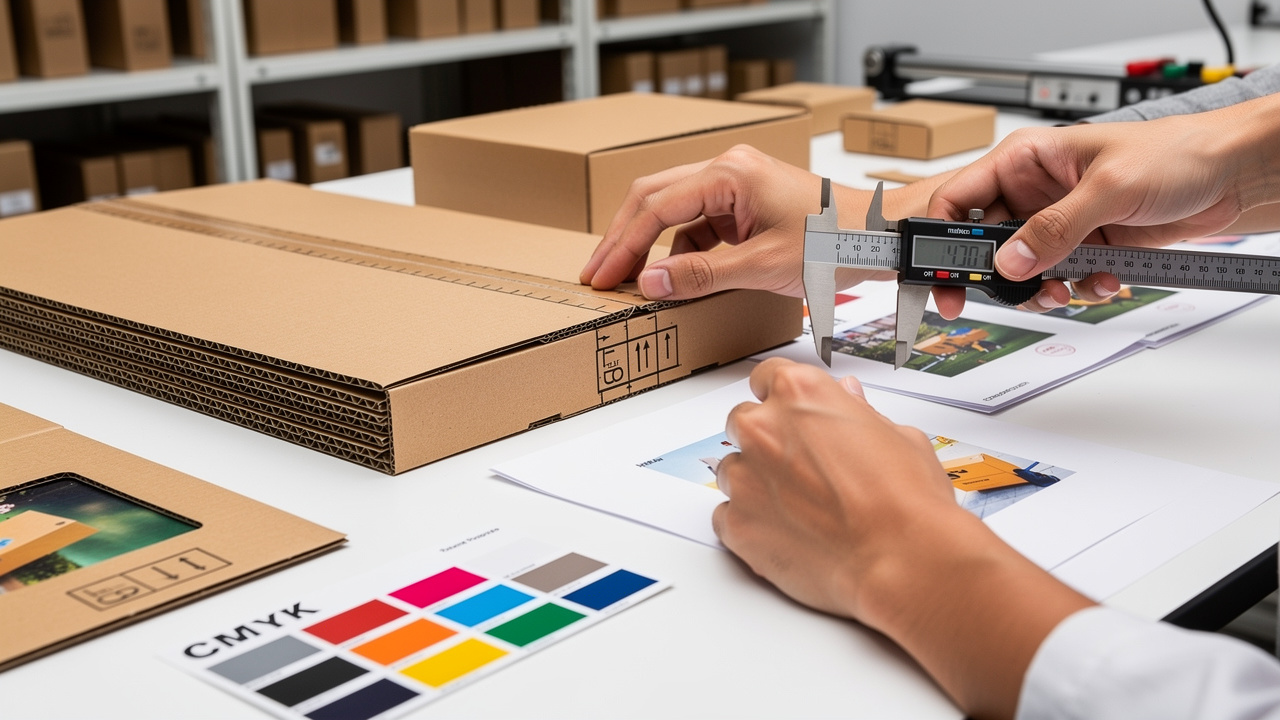
Test prototypes before a full order to find problems that screens cannot show. Check fit, opening ease, print quality, product movement, compression, drops, and water exposure. Confirm dielines, bleed, safe margins, CMYK color mode, image resolution, barcode placement, and panel direction. MyBoxExpert provides digital mock-ups and physical sample testing against drop, water, and compression thresholds.
Balance cost, sustainability, and bulk ordering
Balance one-time costs, recurring costs, sustainability, and demand planning before ordering in volume. Design, tooling, dies, and sampling are packaging cost breakdown, while material, printing, freight, storage, and labor repeat with each unit. Bulk packaging order guidance states that orders begin at 3,000 units, which can lower unit costs but requires enough storage and demand confidence. MyBoxExpert also offers FSC-certified material options, quality checks, and specialist guidance for larger runs.
Conclusion
The main lesson from packaging basics is that a package must protect products, explain the brand, and move efficiently. Review primary, secondary, and tertiary layers as one connected system, especially when products move through retail, e-commerce, and wholesale channels.
Start with product needs, test before scaling, and confirm that materials suit real shipping conditions. MyBoxExpert can support brands that need custom structures, premium finishes, FSC-certified materials, and dependable bulk production.
Frequently asked questions
Frequently asked questions about packaging basics often focus on terms, artwork, sustainability, and order quantity. The answers below give practical starting points for a first custom packaging project. Product category rules may add further legal or safety needs.
What is the difference between packaging and packing?
Packaging is the material and design that contains, protects, and presents a product. Packing is the act of placing products into shipping cartons or transport units for delivery. The terms often overlap in everyday business use.
What is a dieline in packaging?
A dieline is a technical template that shows cut lines, fold lines, glue areas, scores, and panels. Artwork must line up with the dieline before printing. An incorrect dieline can cause costly print, fit, or assembly problems.
What should be included on product packaging?
Product packaging should include the brand name, product name, key benefit, usage directions, quantity, barcode, and disposal guidance where relevant. Regulated products may also need ingredients, warnings, batch details, or other required information. Confirm category-specific rules with a qualified professional.
Can sustainable packaging still protect fragile products?
Sustainable packaging can protect fragile products when the structure and materials pass real shipping tests. Recyclable, compostable, and FSC-certified options may work well with molded pulp, dividers, or fitted inserts. Less material should never lead to damaged deliveries.
How many custom packaging boxes should you order?
Order quantity should reflect sales forecasts, seasonality, storage space, lead times, and planned product updates. Larger volumes can lower unit costs but may leave outdated inventory after a redesign. MyBoxExpert bulk packaging orders begin at 3,000 units.


